
Our cargoes
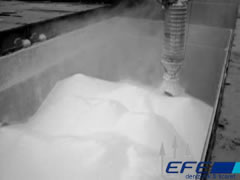
Soda ash
Sodium carbonate (also known as washing soda or soda ash), Na2CO3 is a sodium salt of carbonic acid.
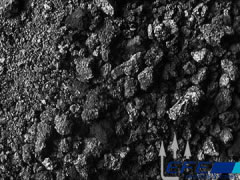
petcoke
Petroleum coke (often abbreviated Pet coke or petcoke) is a carbonaceous solid derived from oil refinery coker units or other cracking processes.
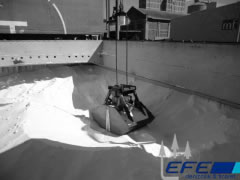
urea
Urea serves an important role in the metabolism of nitrogen-containing compounds by animals and is the main nitrogen-containing substance in the urine of mammals.
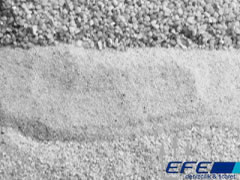
sılıca sand
The chemical compound silicon dioxide, also known as silica, is an oxide of silicon with the chemical formula SiO2.
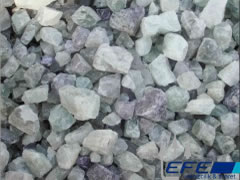
flourıte
Fluorite is a mineral with a veritable bouquet of brilliant colours. Fluorite is well known and prized for its glassy luster and rich variety of colours.
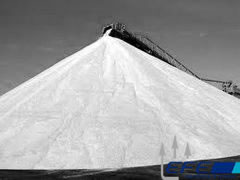
Chemıstry Salt
Salt, also known as table salt, or rock salt, is a crystalline mineral that is composed primarily of sodium chloride (NaCl), a chemical compound belonging to the larger class of ionic salts.
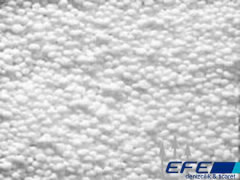
fertılızer
Fertilizer (or fertiliser) is any organic or inorganic material of natural or synthetic origin (other than liming materials) that is added to a soil to supply one or more plant nutrients essential to the growth of plants.
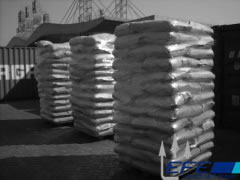
sodıum carbonate
Sodium bicarbonate or sodium hydrogen carbonate is the chemical compound with the formula NaHCO3.
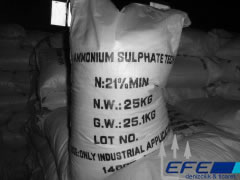
ammonıum sulphate
Ammonium sulfate (also ammonium sulphate in British English), (NH4)2SO4, is an inorganic salt with a number of commercial uses.
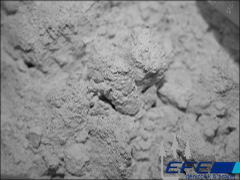
clay
Clay is a naturally occurring Aluminium Silicate composed primarily of fine-grained minerals.
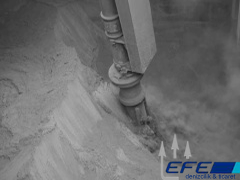
clınker
In the most general sense of the word, a cement is a binder, a substance that sets and hardens independently, and can bind other materials together.
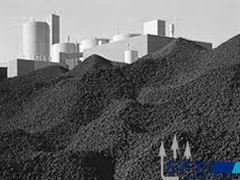
ıron concentrate
Mineral concentrates are the product of ore dressing operations whereby valuable metals recovered through mining operations are separated from waste rock prior to shipment to market.
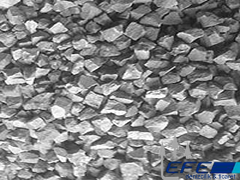
manganese
Silicomanganese (SiMn) is a ferroalloy composed chiefly of silicon and manganese; it is smelted by carbon reduction in ore heat-treating furnaces.
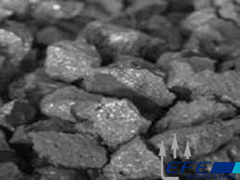
ferrochromıum
Chromium ore is a natural mineral formation (lumpy, dark grey in colour) containing chromium in such compounds and concentrations as to make its commercial exploitation technically feasible and economically expedient.
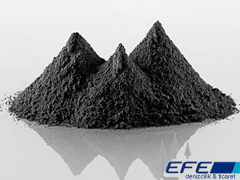
zınc concentrate
Zinc, in commerce also spelter, is a metallic chemical element; it has the symbol Zn and atomic number 30. It is the first element of group 12 of the periodic table.
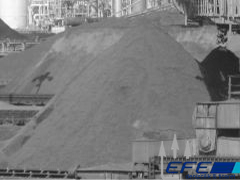
Iron ore
Iron ores are rocks and minerals from which metallic iron can be economically extracted. The ores are usually rich in iron oxides and vary in colour from dark grey, bright yellow, deep purple, to rusty red.
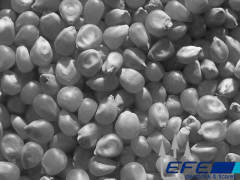
corn
The kernel of maize has a pericarp of the fruit fused with the seed coat referred to as “caryopsis”, typical of the grasses, and the entire kernel is often referred to as the “seed”.
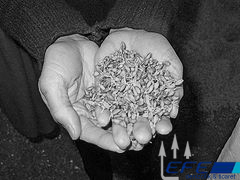
barley
Barley is a common staple in human and animal diets. Part of the grass family, barley grows in over 100 countries and is one of the most popular cereal crops, surpassed only by wheat, corn and rice.
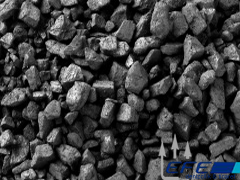
Coal
Coal, a fossil fuel, is the largest source of energy for the generation of electricity worldwide, as well as one of the largest worldwide anthropogenic sources of carbon dioxide emissions.
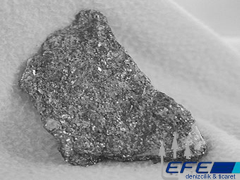
lamprofır rock
Lorem ipsum dolor sit amet, consectetur adipiscing elit. Ut elit tellus, luctus nec ullamcorper mattis, pulvinar dapibus leo.
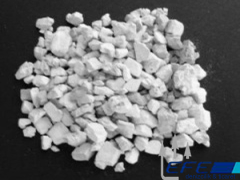
magnesıte
A white, yellowish or brown crystalline solid used in the manufacture of refractories. Magnesite can be used as a slag former in steelmaking furnaces
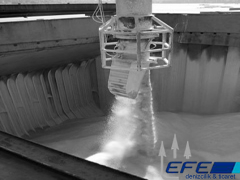
sulphur
Sulphur is a chemical element with symbol S and atomic number 16. It is an abundant, multivalent non-metal.
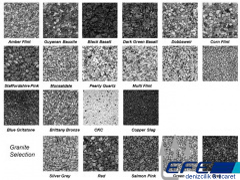
agreegates
Construction aggregate, or simply “aggregate”, is a broad category of coarse particulate material used in construction, including sand, gravel, crushed stone, slag, recycled concrete and geosynthetic aggregates.